Introduction
Custom cosmetic glass packaging succeeds when it supports both the formula and the routine. A jar may present a cream beautifully but require a different user experience from a pump bottle. A serum bottle can look elegant in a photograph while making the final drops difficult to dispense. For brand teams, the task is therefore to design a complete system: container, closure, dispensing method, decoration, secondary packaging, and verified performance. This guide explains how to choose between glass bottles and jars, how to build a consistent range, and what to test before placing a production order. It also highlights decisions that should be made with a formulation or regulatory specialist. Appearance matters, but the packaging must serve the real product that customers will use every day.
Map each formula to its use case
Begin with the product list rather than the available catalogue. Record the product type, viscosity, fill volume, application frequency, expected shelf life, and whether consumers will use it in a bathroom, travel bag, or professional setting. A water-thin toner may suit a narrow-neck bottle or pump. A dense balm may need a wider opening and a tool that can reach the product. A facial oil often benefits from controlled dispensing and careful closure selection. Observe a user opening and using an existing sample: where do fingers grip, does product collect around the neck, and can the pack be closed with wet hands? These small observations are more informative than choosing by style alone. If a formula contains active ingredients or essential oils, treat compatibility as a product-specific test rather than a claim based on glass alone.
Bottle or jar: choose by access and protection
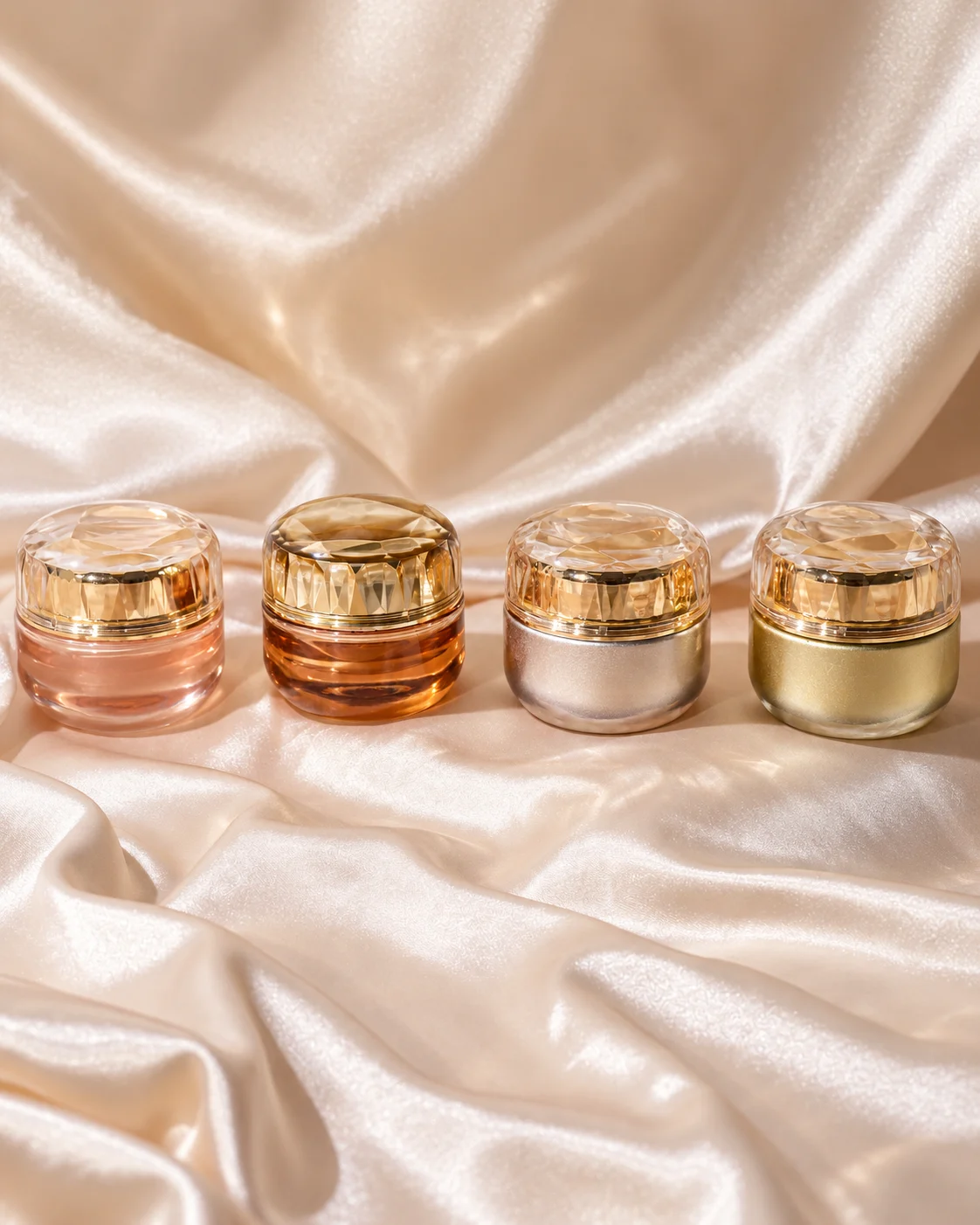
Glass bottles create a controlled path to the formula and can pair with pumps, droppers, or reducers. Glass jars offer a generous opening and a strong display surface for creams, masks, and body butter. Neither format is universally superior. A jar may be appropriate for a rich texture, while a pump may help reduce repeated contact with the bulk of a lighter formula. The inner seal, liner, or wiper also matters. Think about product residue around threads and whether customers can access the final portion without frustration. Compare nominal capacity and actual fill height with the real formulation. A jar that looks full when filled with water may have a different appearance when filled with a whipped or highly viscous product. Confirm the intended closure torque and sealing approach with the component supplier.
Create one visual language across formats
A coordinated collection does not require identical containers. The common thread can be a finish, colour family, label placement, cap material, or shoulder shape. Start with a simple design system: primary colour, supporting neutral, typography, placement rules, and treatment of different capacities. Place a jar, dropper bottle, and lotion bottle together before final approval. Their proportions should read as a family on a shelf and in a product grid. If a matching glass shape is unavailable, a consistent cap colour and disciplined graphics can bridge the gap. Avoid forcing a formula into the wrong container merely to preserve a perfectly matched silhouette. Consistency is most valuable when it improves recognition without making products harder to use.
Make closures part of the design brief
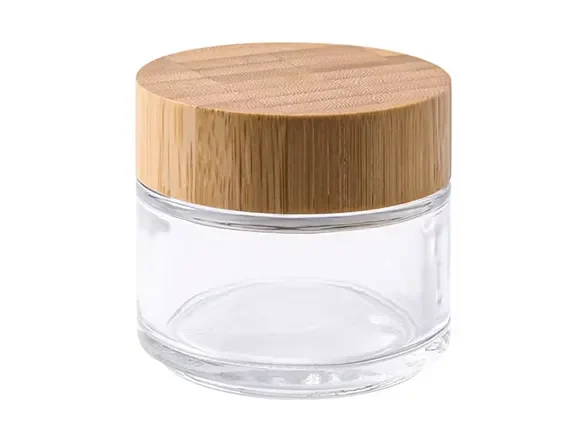
A closure contributes to both perceived quality and performance. A lightweight cap on a thick glass jar can feel out of balance; an oversized cap can hide the neck and increase shipping height. Request physical samples of every bottle or jar with its intended pump, dropper, lid, liner, and overcap. Check fit, ease of opening, dispensing amount, cleaning, and closure security over repeated use. Pumps should be tested with the actual viscosity. Droppers need attention to bulb material, pipette length, and the amount delivered per squeeze. For jars, determine whether an inner disc or seal is needed. Confirm whether decorative finishes on a closure can withstand normal handling. The customer experiences one pack, even when several vendors manufacture its components.
Choose finishes for durability as well as colour
Clear glass presents the formula directly and can look precise and clean. Frosted glass diffuses reflections and can make a range feel softer. Amber or other coloured glass changes the visual tone and may be relevant when light exposure matters, but any protective claim must be established for the particular formula and container. Sprayed colour, printing, and foil can create stronger brand codes. Ask for abrasion and adhesion testing on the finished decoration, particularly at edges that touch cartons or hands. Evaluate artwork on the smallest size, where type can become difficult to read. Photograph the finish against white, warm, and dark backgrounds because a colour that seems perfect on a studio proof may shift noticeably in retail or natural light.
Control the details buyers notice
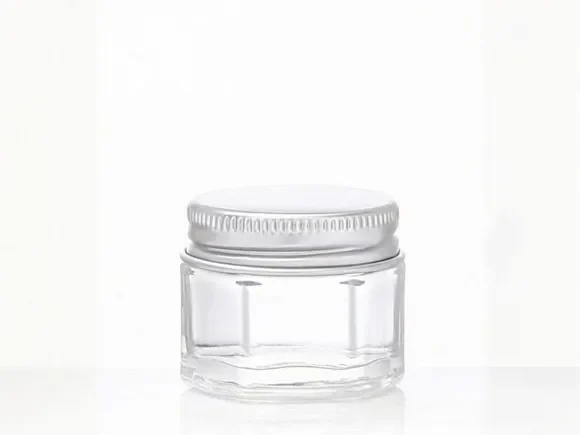
Quality is felt through repeatable small details: aligned labels, clean seams, smooth rims, consistent lid gaps, and stable bases. Build an approval sheet with photos of acceptable and unacceptable conditions. Measure the opening, neck, and outer diameter because these govern compatibility with closures and automatic filling or labeling equipment. Ask how the supplier manages variation between production lots and whether decoration changes the dimensions needed by the filling line. For jars, inspect the thread and rim for chips or roughness. For bottles, check shoulder symmetry and pump alignment. A beautifully styled sample is useful, but a production-representative sample is the one that should be signed off for bulk manufacture.
Test the assembled, filled pack
Compatibility is not proven by looking at an empty jar or bottle. Fill samples using the planned process and the actual formulation, then follow a documented stability and pack-compatibility protocol suitable for the product. Monitor leakage, changes in appearance, seal performance, dispensing, and decoration after storage and handling. Test realistic orientations and transport conditions. The brand's technical team should determine duration, temperatures, and pass criteria based on the formula and destination markets. Verify that claims about recyclability, material content, or product protection are supported by the final component mix and applicable local rules. Glass can be a strong packaging choice, but responsible specifications are more persuasive than broad, unsupported promises.
Plan purchasing around the full collection
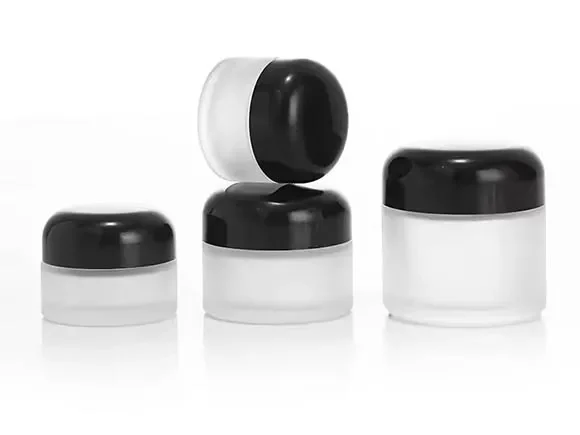
A range often has different demand for each item. Do not assume every format can share a minimum order quantity or lead time. Request a component-by-component quotation that identifies glass, closure, liner, decoration, tool costs, and packing. Ask whether the manufacturer can supply one coordinated set or whether components will need to be consolidated from separate sources. Sequence artwork approval and capacity confirmation before committing to printed cartons. If one item changes, identify the effect on the rest of the range. A common finish might require a joint colour approval across several glass shapes and production runs. This work up front reduces delays when a brand adds a new size or seasonal version later.
A practical brief to send to a supplier
Include a product list with formula type, fill volume, preferred format, reference images, colour and decoration direction, expected order quantities, target launch date, and destination. Provide any existing filling-line constraints and approved closure specifications. Ask for sample availability, drawings, production tolerances, and a clear division of responsibility for testing. State which decisions are fixed and which are open to recommendation. If the collection is still exploratory, begin with existing glass bottle and jar references and select two or three feasible directions rather than requesting dozens of unrelated concepts. Send the resulting shortlist through the inquiry form. A focused discussion produces a more useful sample plan and a clearer estimate for the whole packaging system.
Common mistakes to avoid
The first mistake is approving a decorative empty pack before anyone fills it with the real formula. Colour, viscosity, and the level of product in the glass can change the entire visual result. The second is buying a bottle and dispenser separately without assigning responsibility for fit. A third is leaving the smallest size until the end; it is often the most difficult to decorate and label clearly. The fourth is comparing samples that were made using different processes from the final production line. The fifth is assuming one quality standard can describe every surface. A prominent front face may need tighter visual control than an inconspicuous underside, while the seal area has a functional requirement regardless of its appearance. A shared approval document and a filled pilot run help all teams see the same product. Good packaging decisions combine design judgment with measurable performance.