Introduction
A fragrance bottle is more than a container. It has to protect the liquid, work reliably with an atomizer, sit comfortably in the hand, survive distribution, and communicate the character of a brand at first glance. For a new collection, those decisions are closely connected: a heavier base changes freight cost, a taller cap changes the carton, and a decorative coating can affect how a label looks under store lighting. This guide helps brand teams and purchasing managers specify custom glass perfume bottles in a way that a manufacturer can actually quote and sample. It focuses on the practical choices behind a premium result, rather than treating customization as a logo applied to a standard bottle. Begin with the product and customer, then lock the functional interface before approving the appearance.
Start with the fragrance and the retail brief
Write down the intended fill volume, fragrance concentration, expected sales channels, and target shelf price before selecting a silhouette. A travel fragrance, a refillable daily scent, and a collectible eau de parfum have different priorities. Travel formats need secure closures and compact outer packaging. A display piece may justify a thick base and more complex decoration, provided its weight and balance are intentional. Decide whether the same visual family must cover several capacities. A 30 ml and a 100 ml bottle with identical proportions can feel surprisingly different in the hand. Ask for actual filled-volume and overflow-capacity drawings; the number in a product listing is only a starting point. Include target markets and labeling needs in the brief so the available flat area can accommodate mandatory information without spoiling the front design.
Choose shape with the full pack in mind
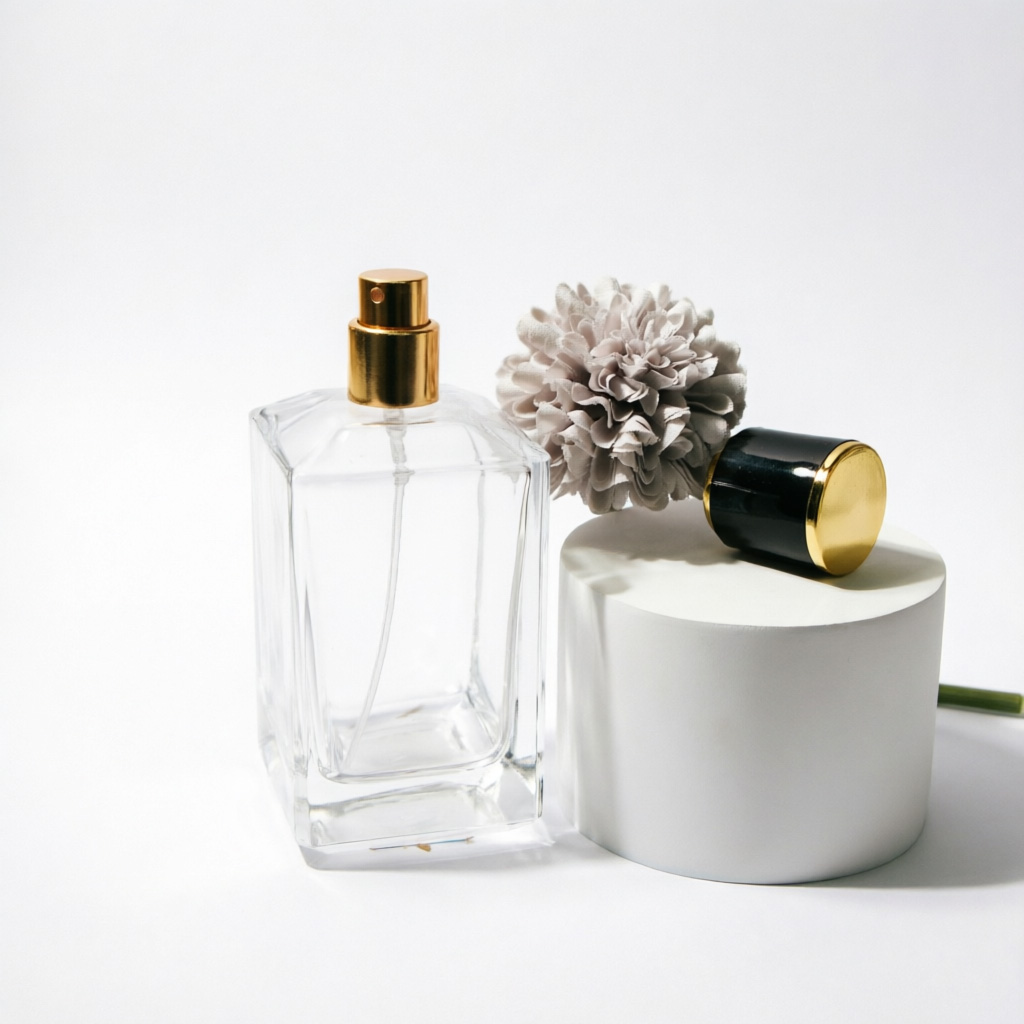
Round bottles are familiar, easy to grip, and often straightforward to label. Square and rectangular forms offer broad faces for graphics and can look architectural, yet their corners and shoulder transitions deserve extra inspection. An unusually narrow bottle may be visually striking but unstable on a vanity; an oversized base can make a small fill look sparse. Compare the bottle from the front, side, top, and at a distance of several metres. Place a proposed cap on the sample because the closure often determines the perceived proportions. Consider how bottles nest in a tray, how much protective material is required, and whether the package looks balanced in a product photograph. A beautiful rendering cannot answer these handling and logistics questions; physical samples can.
Lock the neck and dispensing system early
The neck finish connects glass production to the atomizer, collar, cap, and filling equipment. Select a compatible system before committing to a custom mould. Ask the supplier to identify the specified finish and tolerances, then obtain actual pump and collar samples from the intended component source. A crimped arrangement and a screw-on arrangement support different assembly and refill strategies. Test fit, actuation force, spray pattern, leakage, and cap retention with the real fragrance, not water alone. If the scent contains ingredients that may interact with seals, the formula owner should run a documented compatibility study. The bottle maker can supply dimensions and samples, but should not be assumed to certify the complete filled pack without an agreed test protocol. A tiny mismatch at the neck can create a large quality problem at scale.
Specify glass weight and clarity deliberately
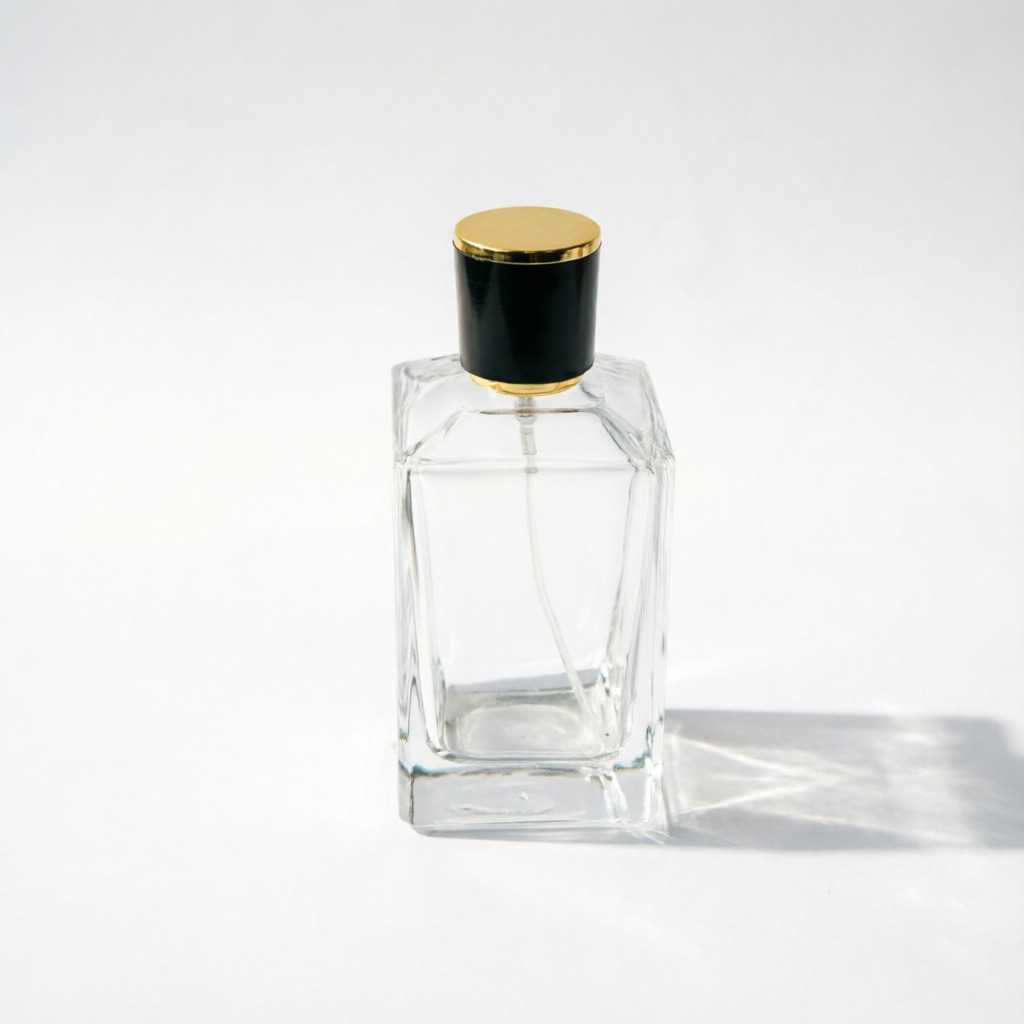
A substantial bottle can signal quality, but more glass is not automatically better. Weight affects freight, handling, and the environmental profile of the finished pack. Ask for the nominal unit weight and its tolerance, as well as base thickness, wall distribution, and the appearance of the glass in the intended light. Clear flint glass highlights the formula and internal reflections; coloured glass creates another visual mood and may help manage light exposure depending on the formulation. Inspect several samples rather than a single ideal piece. Look for unwanted bubbles, stones, sharp seams, uneven shoulders, and variations that become obvious when bottles stand together on a shelf. Define which cosmetic features are acceptable with approved reference samples. These visual standards should be shared by design, procurement, and quality teams.
Build decoration around the brand
Decoration can create differentiation without changing the entire bottle geometry. Options include colour coating, frosting, screen printing, hot stamping, a label, or combinations of these methods. Each has trade-offs. Coating can produce a consistent brand colour but must be assessed for adhesion and abrasion. Frosting gives a softer look but alters how the liquid appears. Screen printing can make simple artwork feel integral to the glass, while foil accents draw attention to small details. Keep critical text legible against the actual filled product. Request colour targets and physical approval samples under more than one lighting condition. For multicolour artwork, ask the supplier to explain registration tolerances and where seams or curves make a design difficult. Do not approve decoration based only on a digital mock-up.
Understand when a custom mould is justified
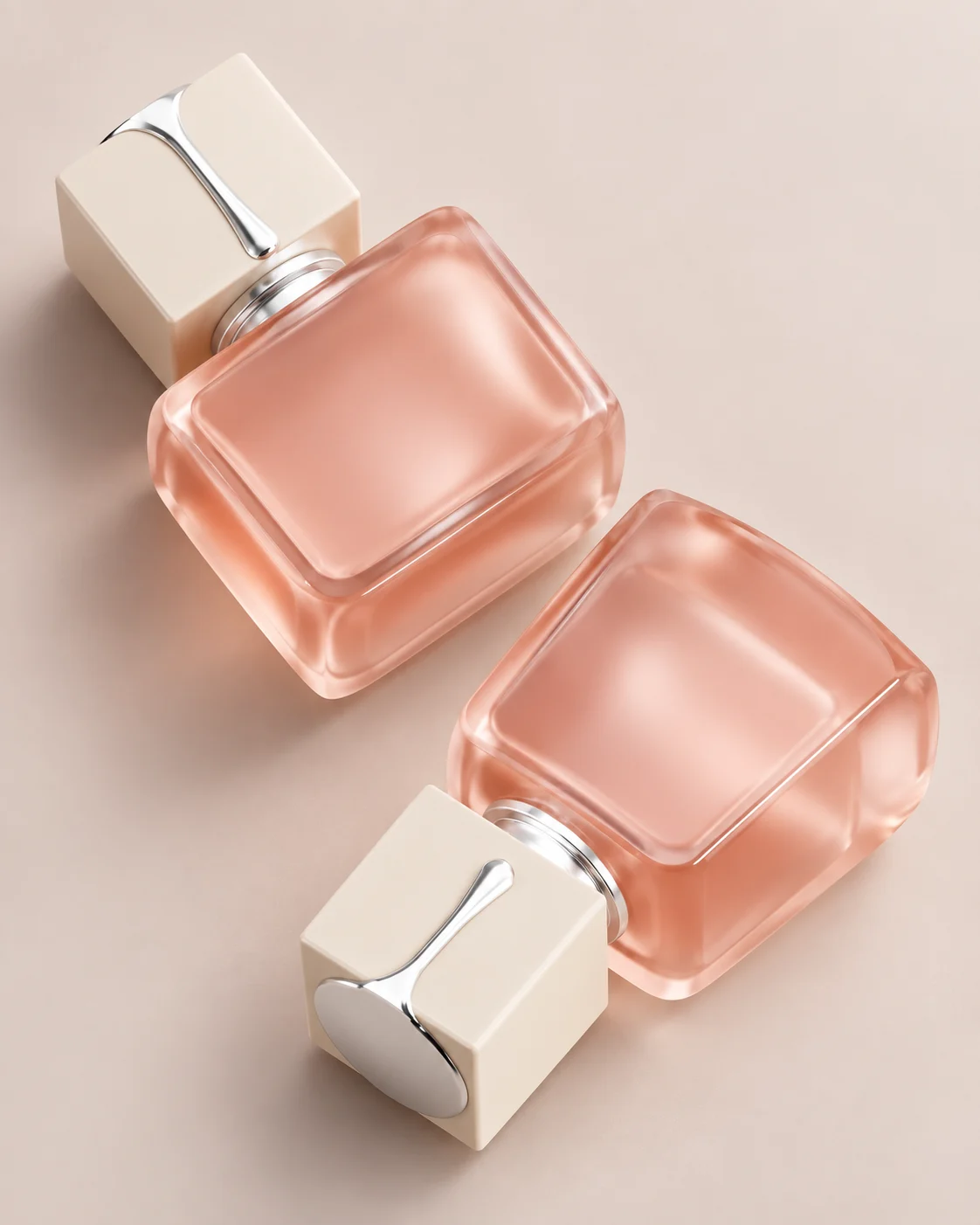
Existing bottle shapes are often the fastest route to market. A new mould becomes attractive when silhouette, ownership of the visual identity, or a specific functional requirement matters enough to support additional tooling and validation. Ask what is exclusive, who owns the tooling, where it is stored, and how replacement or maintenance is handled. Obtain a drawing with dimensions before a sample is produced. Check the proposed volume, fill line, stability, neck finish, and carton implications against the drawing. Tooling should be evaluated over the expected lifetime of the collection rather than solely against the first order. If demand is uncertain, a stock form with a distinctive cap and decoration may be a sensible first release, followed by proprietary glass once sales evidence supports it.
Plan a sample approval sequence
An effective sequence is visual selection, technical drawing, undecorated glass sample, assembled pack sample, decorated preproduction sample, and final signed reference. At each stage record the version and change requested. Photograph samples against a neutral background and under store-like lighting, but keep a physical approved sample for production comparison. Fill selected bottles with the actual fragrance and assess colour, meniscus, and the way the liquid catches light. Run transport and handling tests on the packed product, not an empty bottle. A sample that looks excellent alone may have scuffs after cartons rub during a long shipment. Write down acceptance criteria for dimensions, appearance, closure performance, decoration, and carton condition before the first bulk run.
Ask for a quote that can be compared
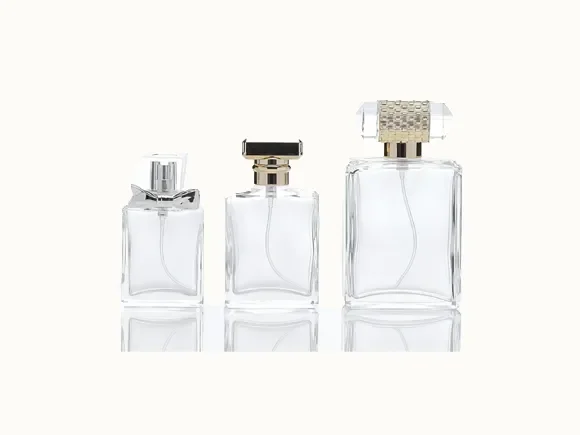
Provide the same brief to each candidate manufacturer: drawing or reference photo, target capacity, approximate annual quantity, intended order size, glass colour, decoration, neck and pump requirements, destination, and packaging format. Request separate line items for glass, decoration, components, tooling, sampling, and freight terms. Minimum order quantities and lead times can differ by mould and process, so ask for written figures rather than applying a generic industry number. Clarify whether caps and pumps come from the same supplier, who assembles them, and who is responsible if the full pack leaks. Compare landed cost and quality risk, not only unit price. A lower bottle quote can be offset by extra assembly work, breakage, or unsuitable secondary packaging.
Production, packing and launch checklist
Before production, confirm the signed drawing, approved colour standard, artwork file, bill of materials, quality inspection plan, and ship-ready carton specification. Confirm the inspection sampling level and what happens if a batch falls outside tolerance. Ask for production photos and a small retention set so a later complaint can be checked against the accepted lot. Ensure the outer carton and pallet pattern suit the route to the destination market. For launch content, photograph the actual approved bottle from several angles and write truthful specifications; do not present a concept image as a delivered item. If you need a starting point, browse the glass packaging collection and share the preferred shapes, sizes, and finishes through the project brief. A clear request makes technical feedback and a realistic proposal much faster.
Questions to settle before sign-off
Before signing the purchase order, ask whether the bottle is intended to be refillable and, if so, whether the closure and filling process genuinely support that claim. Ask whether the selected cap will remain available throughout the planned product life. Check if the same pump specification can be used across every size or if each volume needs a different dip tube. Confirm how bottles will be cleaned or prepared before filling and what the filler expects from the glass supplier. Finally, consider the end of the customer journey. Can a buyer understand how to open, use, and dispose of the pack? Will a visible fill line make a small variation in fill appear like a defect? These questions rarely appear in a mood board, but they shape customer trust. A successful custom perfume bottle has a strong visual identity and a documented path from approved sample to repeatable, filled production.