Introduction
Wholesale glass bottle packaging is a procurement project, not simply a search for the lowest unit price. A bottle that arrives late, breaks in transit, or does not fit the chosen closure can cost far more than the saving shown on the quotation. Buyers need comparable specifications, a realistic forecast, and a clear acceptance process. This guide is for teams sourcing glass containers for fragrance, beauty, home, food, or beverage products. It explains how to prepare a useful request for quotation, compare supply options, review samples, and protect the launch schedule. The exact requirements vary by application. Food contact, cosmetic packaging, and fragrance each demand their own checks, so technical and regulatory teams should validate the final choice for the intended market.
Write the specification before asking for price
A useful specification identifies nominal capacity, brimful capacity if known, dimensions, weight range, colour, neck finish, closure type, intended fill, decoration, and packing method. Add photos or drawings with measurements, not only an inspiration image. State whether the bottle must run on existing filling equipment. If it will carry a label, include label-panel dimensions and the allowable variation. Clarify if the requested quantity is one order, a quarterly forecast, or an annual estimate. Suppliers may quote very differently for the same bottle when order cadence and packing requirements are unclear. For a family of sizes, list each variant separately. This prevents a low quote for one standard size from being mistaken for an offer on the entire collection.
Compare stock shapes with custom moulds
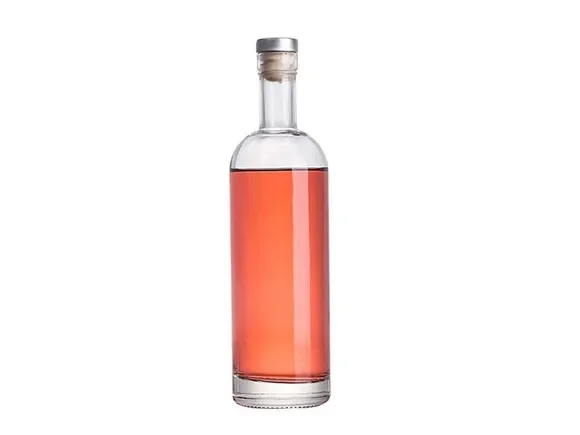
Stock bottles can reduce development work and may make first orders easier to stage. Custom glass offers a more distinctive shape and can solve a precise functional problem, but brings tooling, sample approval, and a longer validation path. Compare these options against actual commercial need. If decoration and closures provide enough differentiation, a stock shape may be an efficient first launch. If the silhouette itself is central to the brand, ask about mould ownership, tooling maintenance, exclusivity, and the minimum economic run. A supplier should explain which dimensions or features can change without a new mould. Avoid assuming a concept can be reproduced exactly; drawings and production samples reveal what is feasible. Decisions made at this stage also determine pallet density and freight costs.
Request a quotation you can audit
Ask every candidate to quote the same package scope and currency. Separate bottle price from closure, decoration, setup charges, tooling, sample costs, inspection, and shipping. State the delivery term and destination so apparent price differences can be understood. Ask for minimum order quantity by design and colour, normal lead time after approval, production capacity, payment schedule, and how price changes with quantity. Request a validity period for the quotation. If a decorative finish is supplied by another workshop, clarify who coordinates quality and delivery. A procurement spreadsheet should include assumptions and exclusions beside the numbers. The purpose is not to force every supplier into the same business model; it is to make the true landed cost visible.
Treat samples as technical evidence
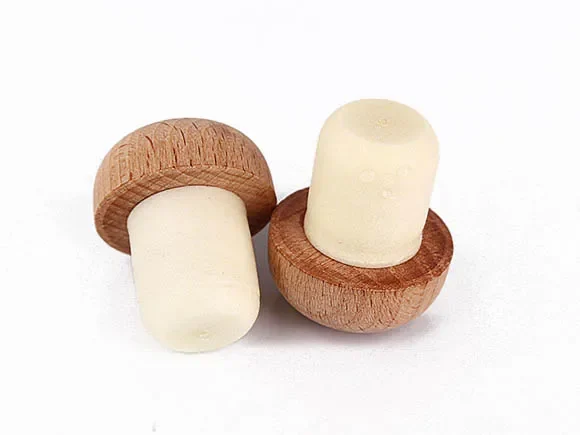
Start with an existing reference sample, then request a sample that represents the final production method. Check dimensions, weight, glass colour, mouth and neck, wall distribution, stability, and visual quality. Fit the proposed cap or pump and assess handling with the real product. Photograph the sample, but also retain a physical signed reference. If the bottle is decorated, evaluate printing and coating for adhesion and appearance after handling. Ask whether the sample came from a production mould or an alternative prototype process, because the two may differ. A sample approval record should identify the drawing revision, component versions, acceptance limits, and responsible approvers. Without this, a later disagreement about what was ordered is hard to resolve.
Define inspection before production starts
Quality control should be agreed in writing. Identify critical issues such as wrong neck finish, cracks, contamination, and leaking assemblies. Define major and minor cosmetic issues with examples: unacceptable scratches, bubbles in prominent areas, uneven paint, or label misalignment. Record measurement points and tolerances. Choose a sampling and inspection process proportionate to the order and its risk. Ask for traceability by production lot and retention samples. If the supplier proposes an inspection report, confirm what is measured rather than accepting a generic pass statement. The most useful report has dimensions, visual findings, packing counts, and photos tied to the actual order. For a new bottle, a first-article review is particularly valuable before the full run continues.
Plan packing for the actual shipping route
Glass can travel safely when the secondary pack is designed for the product and route. Specify inner dividers, carton count, pallet pattern, stacking limit, and whether closures travel assembled or separately. Consider vibration, compression, moisture exposure to cartons, and repeated handling between factory and destination. Request a ship-ready sample pack, not merely a loose bottle. A heavier or tall-neck design may require a different divider and reduce bottles per pallet. Include expected breakage handling and claims documentation in the commercial agreement. Compare freight quotes using the packed volume and pallet count; quoting from bare bottle dimensions can understate costs. The right packaging may look unglamorous, but it is essential to getting saleable bottles to the filling line.
Coordinate with filling and labeling operations
A container can pass visual inspection and still cause line stoppages. Confirm conveyor stability, gripping surfaces, filling-nozzle access, label registration, cap application, and carton loading. For a new shape, run a small pilot with the chosen equipment before ordering at full scale. Ask the filling partner what tolerances it needs, then pass these to the glass supplier. Keep a change log so an adjustment to the neck, shoulder, or base does not surprise another partner. If multiple manufacturers supply the glass and closure, assign responsibility for fit testing. A documented pilot can reveal issues far earlier than the first commercial delivery. It also provides data for realistic yield and production planning.
Build a resilient order schedule
Work backward from the retail date. Allow time for sampling, technical review, artwork proofing, production, inspection, shipping, customs, filling, and possible corrections. Put approval gates in the schedule rather than assuming samples are accepted immediately. Ask about maintenance and contingency if a mould needs adjustment. Consider keeping a safety quantity for breakage or demand variance, but calculate it from actual order history and lead time rather than a universal percentage. Agree on communication milestones and who can approve changes. A purchase order should reference the latest specification and artwork versions. The cheapest quote rarely helps when a vague schedule creates expensive rush shipping or a missed launch window.
The supplier discussion that saves time
A strong first message states the product application, target quantity, delivery market, desired container, decoration, closure, and timing. Attach a concise technical brief and ask targeted questions about available shapes, neck finishes, sampling, mould ownership, quality process, and shipping. If exact details are not yet known, say which decisions remain open. Use the product collection to identify reference bottles and include links or images in the request. The project inquiry can then start a discussion around real constraints rather than a generic price list. Good wholesale buying is a sequence of clear decisions: specify, sample, validate, inspect, and ship. That sequence makes both cost and quality easier to manage.
Questions for the first supplier call
Ask which parts of the quoted bottle are already in regular production and which require a special run. Find out whether the closure is supplied, merely recommended, or outside the supplier's scope. Ask how the factory identifies a production lot, what inspection records accompany shipment, and how a complaint is investigated. Request the packed carton dimensions and gross weight before comparing freight. Clarify who bears the cost of a replacement if a batch fails the agreed specification, and what documentation is needed to make that decision. Ask whether samples represent the proposed manufacturing process. Finally, name the person who will approve drawings, artwork, samples, and dispatch. These questions are more useful than asking only for a price per piece. They reveal whether the proposal is a complete supply plan or just a container estimate. A reliable relationship begins with responsibilities that both sides can explain.
Keep the approved purchase specification with every repeat order. If the supplier proposes a material, mould, closure, or packing change, request written notice and a representative sample before accepting it. Reorders are often treated as routine, but a small undocumented change can affect the filling line or the customer-facing finish. Periodic review of defects, breakage, lead times, and landed cost gives the buyer a sound basis for improving the next order.